
 Login
Login 

Industries
Mining Workforce Management Software: Rosters, Fatigue and Crews That Turn Up
By Nanci · 5 August 2026 · Updated 14 September 2026
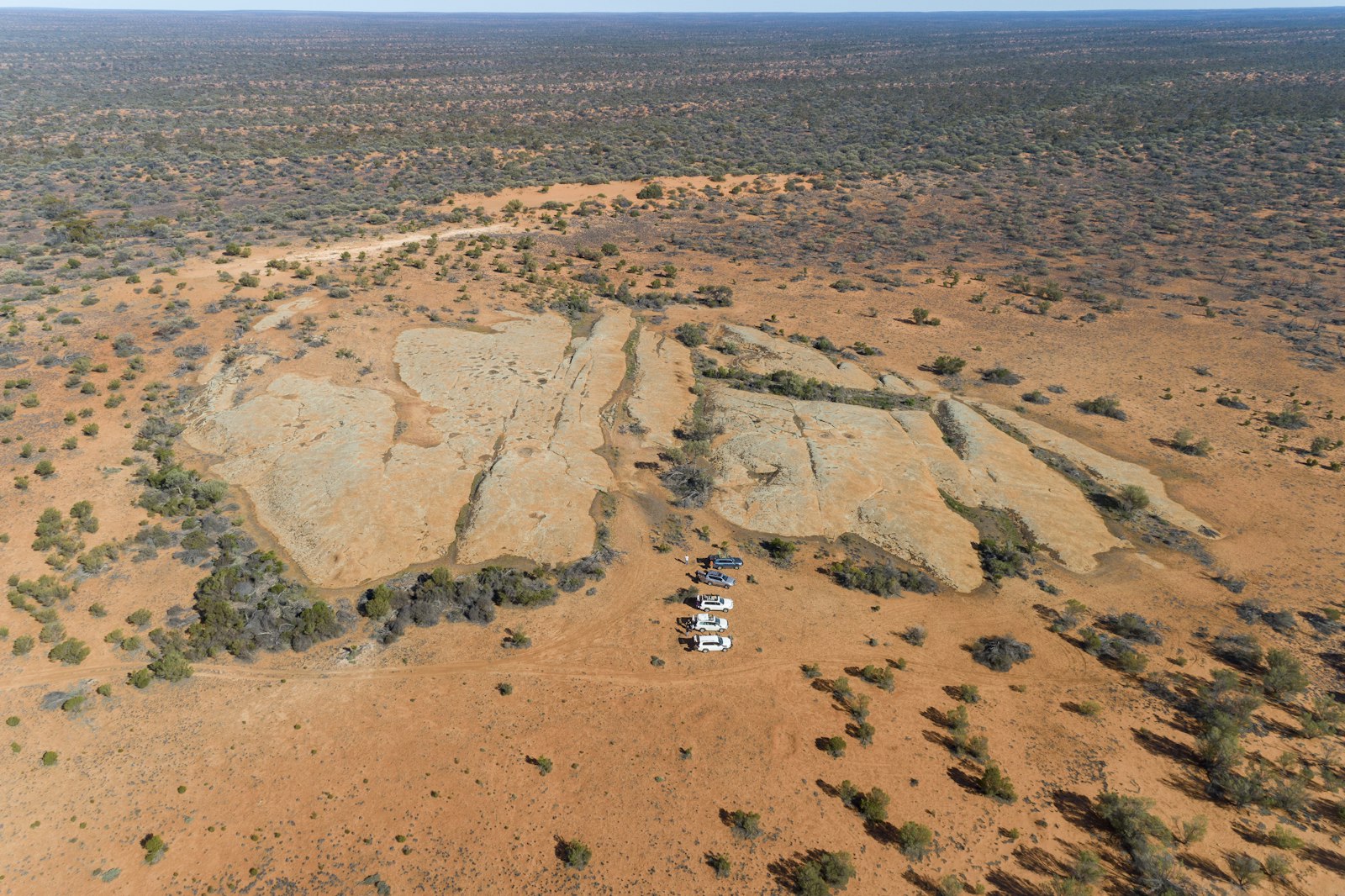
Mining is where workforce management software goes to get found out. A tool that handles a café roster or an office team perfectly well meets its first 2/1 swing, its third site induction requirement and its first 3am callout, and quietly falls apart. The operators and mining services businesses that keep Australian sites running need something built for the way this industry actually works.
Humanz was built in Perth, and mining services businesses were among the first to run on it. The industry around it hasn’t slowed either. The WA Government’s 2024-25 resources data shows $220 billion in sales, 134,009 on-site full-time equivalent mining positions and $49 billion of projects under construction or committed, so the scramble for crews isn’t easing. This guide covers what workforce management software has to do in mining, where the generic tools break, and what to check before you commit to anything. It’s long on purpose. If you only want the product side, the workforce management platform page is the short version.
Why mining breaks generic workforce tools
Most rostering products are built around a simple model. One location, a weekly pattern, staff who go home every night. Mining violates every part of that model at once.
The roster is a swing, not a week. An 8/6 or 2/1 pattern doesn’t repeat neatly inside a Monday-to-Sunday grid, and a crew’s “week” might start on any day of the calendar. Tools that think in weeks force planners into workarounds from day one.
People are the smallest part of the logistics. A rostered swing implies flights, a camp room, site access and a pre-start, all of which have to line up with the shift pattern. Change the swing and you’ve changed four bookings.
Compliance is layered and site-specific. A worker isn’t simply “qualified”. They hold national units, state licences, company inductions and site-specific inductions, each with its own expiry. Being cleared for one site means nothing at the site an hour up the road.
The workforce is blended. Direct employees, labour hire and subcontractors work the same shutdown side by side. If your system only manages employees, it manages a fraction of your actual crew. Shutdowns are the extreme case, and mobilising a shutdown crew into a window that will not move deserves its own playbook.
Hours run long and fatigue is regulated. Mining consistently records some of the longest average working weeks of any Australian industry, and site owners enforce fatigue rules accordingly. For WA operations, the WHS (Mines) Regulations put the burden of proving fatigue was managed on the operator and its contractors. A roster that ignores those limits isn’t a roster. It’s a liability.
Any one of these would strain a generic tool. Mining serves all five at once, which is why the industry either runs on spreadsheets held together by heroic administrators, or on software built for the job.
Swing rosters that hold their shape
The core of mining workforce management is the swing. 8 days on and 6 off. Two weeks on and one off. Even time for residential crews. Panels rotating through so the site never goes quiet. Each of those roster patterns trades days at home against crew continuity. A capable system treats these patterns as first-class objects: build the pattern once, assign crews to it, and let the forward roster generate itself for the year.
That matters most when the pattern meets reality. A resignation mid-swing, a sick call on changeover day, a client pulling the shutdown forward a week. In a spreadsheet, each of those means rebuilding by hand and hoping nothing else moved. In rostering software built for field operations, the pattern flexes and every downstream date moves with it, with the system flagging what broke.
Two free tools on this site let you play with the mechanics before you touch any software. The FIFO roster calculator turns a pattern and a start date into a year of on/off dates you can load into your phone, and the swing comparison tool puts two patterns side by side in days at home and full weekends per year. Useful for planners, and just as useful for a worker weighing up two offers.
For the deeper treatment of patterns, panels and changeover-day planning, see our dedicated guide to FIFO rostering software.
FIFO logistics: the roster is also a travel plan
For fly-in fly-out operations, every swing carries a shadow itinerary. Flights out and back, a camp room for the on-swing nights, transfers, and meals in some camps. Run those in separate systems from the roster and every roster change becomes a manual reconciliation job across booking spreadsheets.
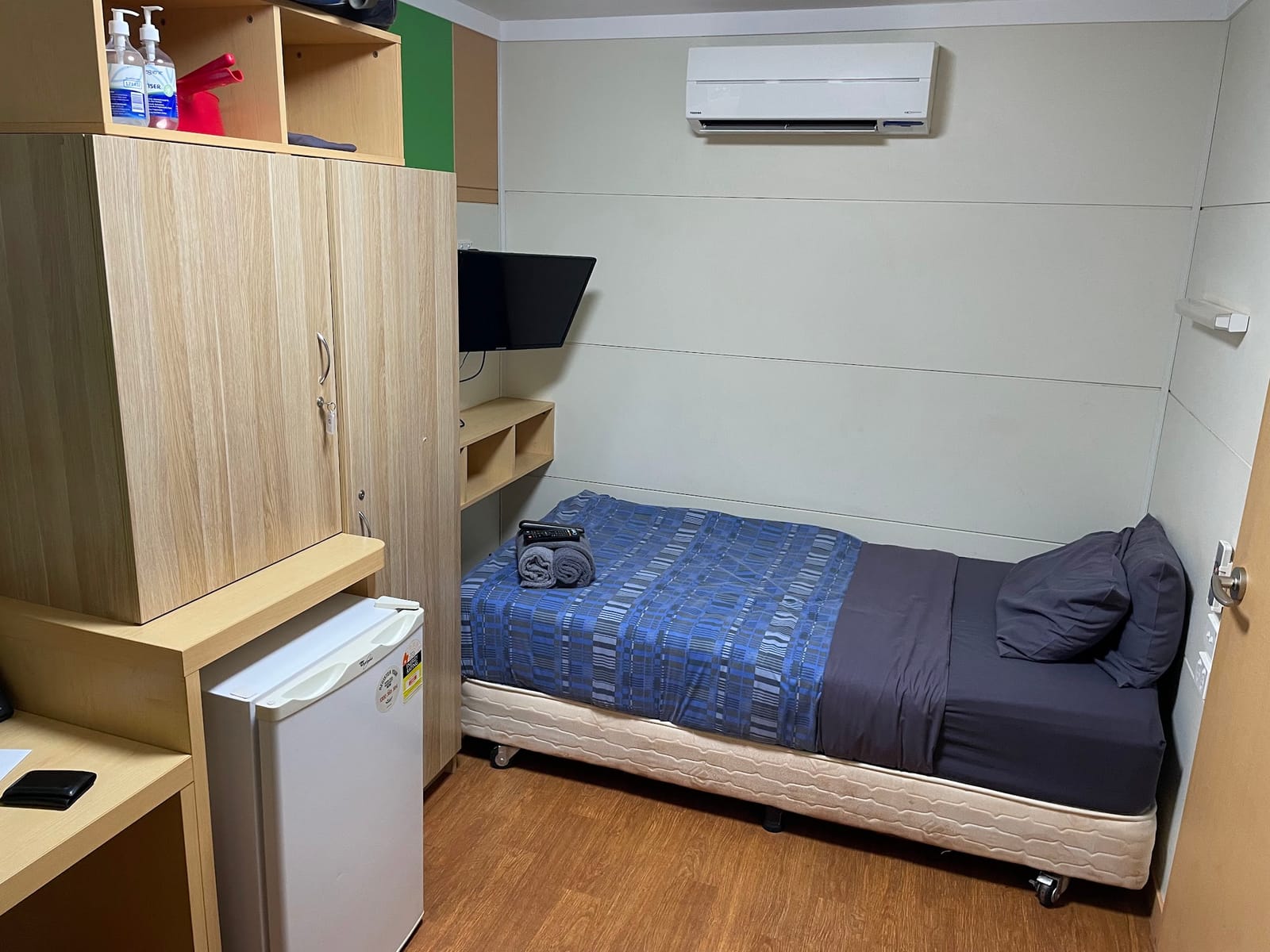
The platform approach attaches travel and accommodation to the shift itself. Book the swing and the flight and room requirements come with it. Move the swing and the logistics move too, with changes surfaced to whoever manages the bookings. Late changes still cost money (forfeited flights and empty rooms are real line items), but they stop being surprises discovered after the invoice arrives.
We’ve written up the full workflow, including templates and bulk handling, in FIFO flights and accommodation rostering. If your operation moves crews between projects rather than on fixed swings, the same logic applies through workforce mobilisation.
Fatigue rules with numbers attached
Fatigue in mining isn’t a wellness topic. It’s a legal duty, and the rosters that meet it run on hard numbers: maximum shift lengths, minimum breaks between shifts, caps on consecutive days and nights, and rolling hour limits across 7, 14 and 28 days. Safe Work Australia published a model Code of Practice on managing fatigue risk in September 2025, which applies where a state or territory approves it. Western Australia hasn’t, so WA mines still work from the regulator’s Working hours code of practice, and most site owners layer their own stricter rules on top.
The practical question is where those limits live. If they live in a policy document, someone has to remember them at 9pm while backfilling tomorrow’s night shift, which is exactly when nobody remembers anything. If they live in the roster, the check happens at the moment of allocation. Fatigue management software built into scheduling evaluates every booking against the applicable policy, flags the breach before it’s confirmed, and keeps the evidence trail that a site audit will eventually ask for.
Because different clients impose different limits, the policy layer has to be plural. A business default, a stricter overlay for Client A’s sites, a residential policy for the local crew. Our piece on layered fatigue policies and expiry alerts covers how that structure works, and how to write a fatigue management plan covers the document those limits come from. And if you want to sanity-check a roster right now, the free fatigue hours checker runs 14 days of shifts against limits you set.
Site access, inductions and the credential wall
Every mining operation guards its gate with paperwork. National units of competency, high-risk work licences, company inductions, site inductions, verification of competency for specific plant, medicals and drug-and-alcohol clearances. Each expires on its own schedule, and an expired credential discovered at the gate turns a rostered worker into a very expensive passenger.
Workforce management software earns its keep here twice. First as a register: every worker’s credentials in one place with expiry dates tracked and alerts firing well before anything lapses, for managers and for the workers themselves. Second as a gate inside the roster: if the job needs a working-at-heights ticket and a current site induction, workers without them shouldn’t be bookable onto it. The check happens at planning time, not at the gate.
We cover the register side in detail in tracking qualifications, inductions and credentials, and the mobilisation side (getting a new starter from signed offer to site-ready) in onboarding software for mining and construction.
Shutdowns and the blended crew
Mining services businesses live and die by shutdowns. A fortnight of intense, tightly sequenced work with a crew assembled for the occasion: your permanent people, labour hire filling gaps, and specialist subcontractors for the work nobody keeps in-house.
The shutdown crew is the hardest rostering problem in the industry, because the crew itself is temporary. Availability has to be confirmed fast across three workforce types. Credentials have to be verified for people you may never have deployed before. Everyone needs the brief, the roster and the site details on their phone before wheels up.
This is where a single-platform approach beats a stack of tools. In Humanz, subcontractors carry their own compliance profiles and sit on the same roster as employees, so a shutdown planner sees one crew, not three lists. The details are in our guides to subcontractor management software and labour hire workforce management.
Timesheets that survive remote sites
Site connectivity is patchy, crews finish tired, and the distance between the worked shift and the payroll office is measured in thousands of kilometres. Paper timesheets in that environment produce exactly what you’d expect: late, illegible, remembered rather than recorded.
The fix is the same one that works everywhere, applied with a mining accent. Timesheets prefill from the roster, workers confirm from the phone in their pocket, and submissions sync when connectivity returns. Supervisors approve from a queue rather than a pile, and payroll receives approved, structured hours instead of a transcription job. With swing lengths and penalty structures in play, the difference between remembered hours and recorded hours is real money, which you can estimate for your own crew with the payroll leakage calculator.
Vehicles, rooms and plant on the same schedule
A mining crew doesn’t move without its assets. Light vehicles to get to site, camp rooms to sleep in, and plant that needs an operator with the right VOC. Managing those in a separate spreadsheet recreates the same double-booking problem you just solved for people.
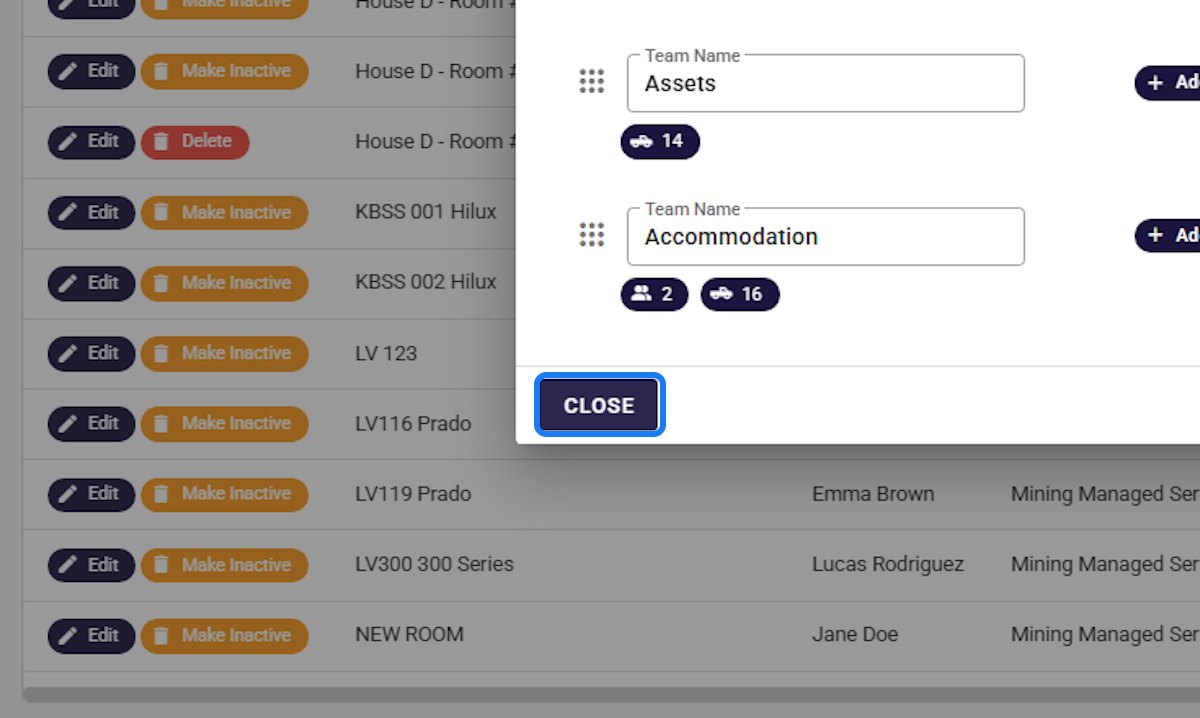
Humanz schedules assets beside people. A Hilux, a crane or a camp room occupies a row on the same roster, gets allocated to jobs the same way, and shows its conflicts the same way. Room 3 can’t host two fitters on changeover night, and the system says so before both of them fly. The broader case for this is in asset tracking for field teams.
Visibility: the questions a mining operation actually asks
Once the operational data flows through one platform, the reporting questions that used to take a day of spreadsheet work become filters. Who is on site right now, across every site? What’s our fill rate for next swing? How many shifts did we decline last quarter because no camp beds were available? Which client’s jobs chew the most unplanned overtime? Planned versus worked versus paid, by site, by crew, by month.
Those answers drive commercial decisions: hiring cases, camp allocation negotiations, tender pricing. And the decisions carry mining-sized stakes. ABS average weekly earnings figures for May 2026 put mining at $3,224.20 a week in full-time adult ordinary earnings, the highest of any industry, against $2,083.70 across all industries. At that rate, a no-show or an uncleared worker on a swing is the most expensive empty seat in Australian rostering, and the confirmation tracking and compliance gates above pay for themselves quickly. The reporting layer that produces them is covered in workforce analytics for field operations.
Choosing mining workforce management software
The evaluation checklist we’d use, having watched businesses go through it:
- Swing patterns as first-class objects, not weekly grids bent out of shape
- Travel and accommodation attached to shifts, so roster changes move the logistics
- Layered fatigue policies enforced at booking time, with an audit trail
- Site-specific credential gates, not just a licence register
- Employees, labour hire and subcontractors on one roster with per-type compliance
- A mobile app crews actually use, working on poor connectivity
- Assets schedulable beside people, including rooms and light vehicles
- Reporting that answers operational questions without exports and pivot tables
- Australian support in Australian hours, because your 5am changeover problem can’t wait for a US help desk
Run your own numbers against the admin cost, leakage and no-show tools on the tools page to see what the status quo costs, and get in touch if the business case stacks up. Industry bodies like AREEA, the national employer association for resources and energy (formerly AMMA), publish workforce practice guidance worth reading alongside any software evaluation.
Frequently asked questions
What is mining workforce management software? It’s software that plans and runs a mining or mining services workforce end to end: swing rosters, FIFO travel and accommodation, fatigue limits, site credentials, timesheets and reporting in one system. The distinguishing feature against generic rostering tools is that swings, sites, camps and blended crews are built into the data model rather than bolted on.
What roster patterns does mining software need to support? The common Australian patterns are 8/6, 2/1 (14 on, 7 off), even-time arrangements like 7/7 and 14/14 for residential crews, and longer 3/1 swings for some remote operations, plus shutdown surges that follow no pattern at all. The software should hold the pattern once and generate the forward roster, rather than requiring planners to place every shift.
How does fatigue management work in mining rostering? Fatigue rules (maximum shift length, minimum breaks, consecutive-day caps and rolling hour limits) are configured as policies, often layered by client or site. The scheduler then checks every allocation against the applicable policy as it’s made and flags breaches before the shift is confirmed, which is both safer and easier to evidence in an audit than after-the-fact reports.
Can it manage FIFO flights and camp accommodation alongside the roster? Yes. Travel and accommodation attach to the shift itself, so booking a swing carries its flight and room requirements with it. Move the swing and the logistics move too, with the changes surfaced to whoever manages the bookings.
How does it handle site-specific inductions and credentials? Each worker’s profile holds their national units, licences, medicals, and company and site inductions with individual expiry dates. The roster then acts as a gate: a worker missing a required ticket or a current induction for that site can’t be booked onto the job, and alerts fire before anything lapses.
Can one platform manage employees, labour hire and subcontractors together? Yes, and for shutdown-driven businesses it’s close to mandatory. In Humanz, subcontractors and labour hire workers carry their own compliance profiles but sit on the same roster as employees, so planners crew a job from one view and every worker type passes the same credential and fatigue checks.
Does it work without mobile coverage on site? It has to. Workers confirm shifts, submit timesheets and read updates in the mobile app, and submissions made without coverage sync when connectivity returns. Coordinators in the office see live data the moment it lands.
Is Humanz built for mining? Humanz was founded in Perth in 2019, and mining services businesses running crews across multiple sites and clients were among its earliest users. Swings, camp logistics, layered fatigue policies, site credentials and blended crews are core features rather than customisations. The short version of everything this guide covers is on the mining workforce management software page, and the broader platform lives on the workforce management software page.
Related articles
Ready to see Humanz on your own roster?
Free 30-minute walkthrough, we'll use your real crews, sites and shift patterns.