
 Login
Login 

Rostering & Scheduling
Deputy, Tanda, SprintSuite and RapidCrews Alternative: Workforce Software for Australian Field Teams
By Duane Butler · 30 June 2026 · Updated 16 September 2026

If you run a field-based workforce in Australia (construction crews, mechanical contractors, mining services, drilling teams or trades) there’s a good chance you started on a general rostering tool and have wondered since whether it still fits. Deputy, Tanda, SprintSuite and RapidCrews are established, capable platforms used widely across the country, and plenty of businesses run them happily for years.
The useful question isn’t “which tool is best” in the abstract. It’s where general rostering tools tend to fall short for field, trades and resources work, and what to look for in an alternative. This guide works through both, with Humanz put forward plainly as the field-focused option.
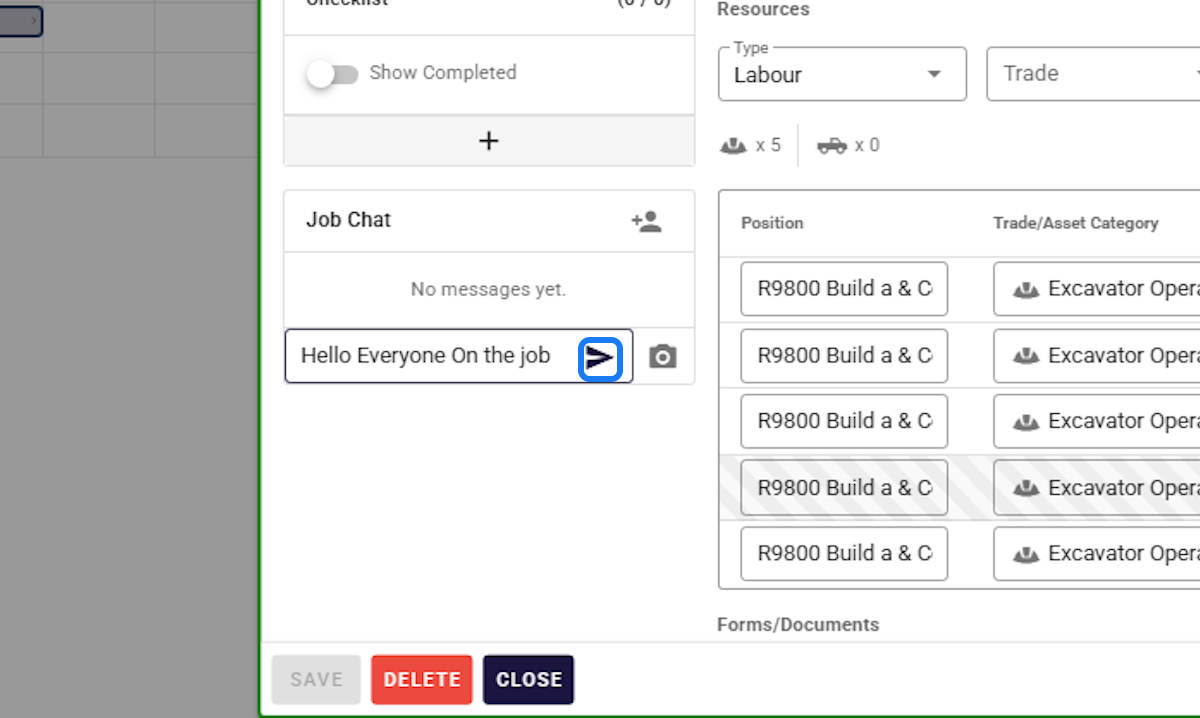
The two broad categories of workforce software
Not all workforce management tools are built for the same job. It helps to think about the market in two broad groups.
General and hospitality/retail-origin rostering tools
Many of the best-known platforms grew up serving shift-based industries such as hospitality, retail and healthcare. They’re excellent at what they were designed for: fixed-location rosters, clock-in/clock-out at a venue, availability management and award interpretation for predictable shift patterns. Deputy and Tanda are widely recognised in this space and are strong, mature products.
Platforms built for the field
The second group is built around field operations. The work happens across multiple sites, often remote, with mixed crews of employees and subcontractors, swing rosters, travel and equipment to coordinate. This is the world of construction, mining services, drilling and trades, where the scheduling problem looks nothing like a single café or store.
SprintSuite and RapidCrews are also names you’ll encounter when researching Australian workforce and crew-scheduling tools, and the smaller end of the market, the rostering apps such as Zenshifts and Rosterspace, gets the same fair treatment in a separate guide. None of these products are poor. A tool’s origins shape what it does effortlessly and what it has to bolt on. For a deeper view of the whole category, our round-up of Australian workforce management platforms walks through how to weigh the different platform types. And if you’re comparing against HR-led or enterprise platforms rather than these, our Humanforce, Employment Hero and Dayforce guide applies the same fair frame to that end of the market.
Where field, trades and mining businesses hit the limits
Most teams don’t switch software on a whim. They switch when specific, recurring friction starts costing real time and money. These are the limits field operators run into most often with general rostering tools.
Subcontractor scheduling alongside employees
Field businesses rarely run on employees alone. You book subbies, labour-hire and specialist contractors, often on the same job, same day, same roster. That’s no niche arrangement. The ABS counted 1.1 million independent contractors in Australia as at August 2025, 7.6% of all employed people. Many general tools treat the roster as an employee-only construct, so subcontractors end up managed in spreadsheets or separate systems. The result is double handling and gaps in visibility. A field-built platform lets you schedule subcontractors alongside your own crew in one view.
FIFO and swing rosters
Fly-in fly-out and drive-in drive-out work brings swing patterns, travel days, point-of-hire logic and flights and accommodation to line up with the schedule. General rostering tools weren’t designed for this, so the travel side usually lives somewhere else. Coordinating FIFO flights and accommodation against the roster natively removes a major source of error.
Compliance gates and fatigue at the point of scheduling
In construction, mining and drilling, compliance isn’t a report you run later. It has to stop the wrong booking before it happens. That means checking licences, tickets, inductions and qualifications at the moment of scheduling, and monitoring fatigue against hours worked and travel. Tools that only surface problems afterwards leave you exposed. Look for fatigue rules enforced as you build the roster, plus expiry alerts for qualifications and inductions. Safe Work Australia sets out the work health and safety duties around fatigue, while the Fair Work Ombudsman covers award and record-keeping obligations. The regulator has also said where it will be looking. The Fair Work Ombudsman’s priorities for 2025-26 name building and construction among the high-risk sectors it is targeting, alongside agriculture and aged care.
Multi-site, real-time field operations
A field roster changes all day. Weather, breakdowns, scope changes and no-shows keep moving people around. You need a single, real-time view across every site and a mobile app crews will use to confirm shifts. General tools handle a venue well. Coordinating dozens of dispersed sites in real time is a different job. See our overview of field workforce management software for what that looks like in practice.
Assets, mobilisation and onboarding
Field work comes with equipment, plant and consumables to track, and people to mobilise to site with the right documents, inductions and travel arranged. When asset tracking, document portals and mobilisation are missing, they get patched together with email and spreadsheets. A platform built for this work keeps them connected to the roster instead of orbiting it.
What to evaluate when you switch
If you’re comparing a how to choose rostering software in Australia, score it against your actual operating model rather than a generic feature list.
- Crew mix. Can it put employees and subcontractors on the same roster, or does it force separate systems?
- Roster patterns. Swing rosters, FIFO/DIDO and travel days should be native, not workarounds.
- Compliance model. Does it gate scheduling on licences, inductions and fatigue, or only report afterwards?
- Field reality. Multi-site, real-time changes, and a mobile app crews will adopt.
- Logistics. Flights, accommodation, assets and mobilisation tied to the roster.
- Australian fit. Built for local awards, conditions and field industries, with local support.
- Analytics. Visibility into utilisation, cost and compliance across sites.
Migration considerations
Changing platforms is a real project, and going in with eyes open makes it far smoother.
- Data export and mapping. Confirm you can export your people, roster history and compliance records, and map them cleanly into the new system.
- A parallel period. Run old and new together for a pay cycle or two so nothing slips.
- A phased rollout. Start with one region, site or crew before going wide.
- Onboarding and training. Plan for crew adoption of the mobile app, not just the office team.
- Support during cutover. Local, responsive support matters most in the first month. Our notes on onboarding field workers are a useful starting point.
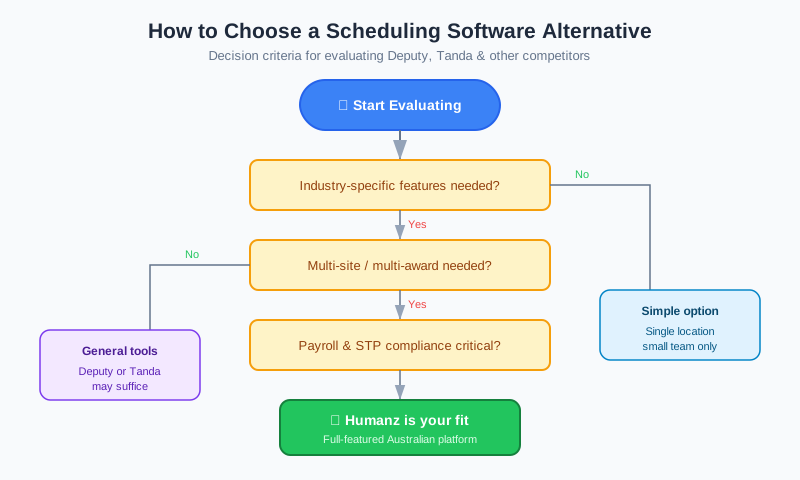
A fair “how to choose” framework
There’s no single best tool, only the best fit for how you operate. A simple way to decide:
- Map your operating model. Single fixed sites with employee-only shifts, or dispersed sites with mixed crews, travel and heavy compliance?
- List your non-negotiables. Subcontractor scheduling, FIFO logistics, compliance gates and fatigue are common deal-breakers for field teams.
- Score each option honestly. Deputy, Tanda, SprintSuite and RapidCrews are all worth shortlisting depending on your needs. Rank them against your non-negotiables, not their marketing.
- Test with a real roster. Trial each finalist with a genuine, messy week of your own work.
- Weigh total fit. Local support, Australian industry focus and adoption matter as much as the feature checklist.
If your operating model is fixed-location, shift-based work, a general or hospitality-origin tool may be exactly right. If it’s field, trades, mining or drilling, a purpose-built platform usually wins on the points that cost you most.
Where Humanz fits in this comparison
If the friction points above sound like your week, this is the gap Humanz was built to close. It didn’t start life as a venue rostering tool and stretch toward field work. It grew up scheduling dispersed crews, so the things general platforms tend to bolt on are the things its rostering software built for Australian field teams does in a single screen.
You book subcontractors and labour-hire in the same roster as your employees across multiple sites, and the view reads live as breakdowns and scope changes move people around the day. Compliance is enforced as you schedule rather than flagged afterwards. Licence, ticket and induction expiries trigger alerts, and fatigue rules and qualification gates stop the wrong booking before it’s confirmed.
FIFO and DIDO swing patterns come with flights and accommodation coordinated against the schedule. The day-to-day toolkit (digital timesheets, shift confirmation, custom forms, a document portal, asset tracking, mobilisation, in-app messaging and cross-site analytics) sits in one mobile app that crews actually open on site.
One caveat for anyone weighing this against newer tools. Humanz competes on the depth of its field workflow rather than on AI claims, and anything shipped under that banner will be built on the compliance foundations above rather than bolted onto the brochure. Ask every vendor on your shortlist, us included, to demonstrate the capability instead of the label. You can see how we approach field operations on our approach page, or take a wider look at the Humanz platform.
Switching off a general rostering tool and not sure the move will hold up to mixed crews, swing rosters and compliance gates? Arrange a walkthrough with the Humanz team. Bring your current setup and a real roster, and we’ll map it across live so you can see exactly how it carries over.
Frequently asked questions
Is Humanz a good alternative to Deputy or Tanda?
It depends on your work. Deputy and Tanda are strong, established platforms, particularly for fixed-location, shift-based industries. Humanz is purpose-built for Australian field, trades, mining and construction teams, with native subcontractor scheduling, FIFO logistics and compliance gates at the point of scheduling. If those are your priorities, Humanz is well worth shortlisting alongside them.
What is the main difference between general rostering tools and Humanz?
Many general tools originated in hospitality, retail or healthcare and excel at venue-based shift work. Humanz was built around dispersed field operations, meaning multiple sites, mixed crews of employees and subcontractors, swing rosters, travel and heavy compliance. Those capabilities are native rather than added on.
When is Deputy or Tanda the right choice?
When your work is fixed-location and shift-based. Deputy and Tanda grew up serving hospitality, retail and healthcare, and they are strong, mature products for exactly that model: venue rosters, clock-in at a fixed site and predictable shift patterns. The case for switching only builds when field realities like mixed crews, swing rosters and compliance gates start generating workarounds.
Can Humanz schedule subcontractors and employees together?
Yes. You can book subbies and labour-hire alongside your own crew in the same roster and the same view, which removes the spreadsheets and separate systems many businesses use to track contractors.
Does Humanz handle FIFO rosters and travel?
Yes. Humanz supports swing rosters and lets you coordinate FIFO flights and accommodation against the schedule, so logistics stay tied to the roster rather than managed separately.
How does Humanz help with compliance and fatigue?
Humanz applies compliance gates at scheduling and provides expiry alerts for qualifications, licences and inductions, plus fatigue monitoring. For context on the underlying obligations, the Fair Work Ombudsman is a good place to start.
How should we test shortlisted platforms before deciding?
Trial each finalist with a genuine, messy week of your own work, not the vendor’s demo data. Score every option against your non-negotiables, such as subcontractor scheduling, FIFO logistics and compliance gates at scheduling, rather than against its marketing. Local support and whether crews will adopt the mobile app matter as much as the feature checklist.
How hard is it to switch platforms?
Plan for a real migration: export and map your data, run a parallel period for a pay cycle or two, phase the rollout by site or region, and lean on local support during cutover. Done in phases, most field teams move across with minimal disruption.
Is Humanz Australian and does it offer local support?
Yes. Humanz is Australian-built and Australia-supported, in use since 2019 by hundreds of businesses spanning construction, mechanical contracting, mining services, drilling and trades. The support team understands local awards, conditions and field realities rather than treating them as edge cases.
Related articles
Ready to see Humanz on your own roster?
Free 30-minute walkthrough, we'll use your real crews, sites and shift patterns.