
 Login


Safety Systems & Forms
Journey management plan: when a drive needs one, what it contains, and a free template
By Christian Tietzel · 23 October 2026
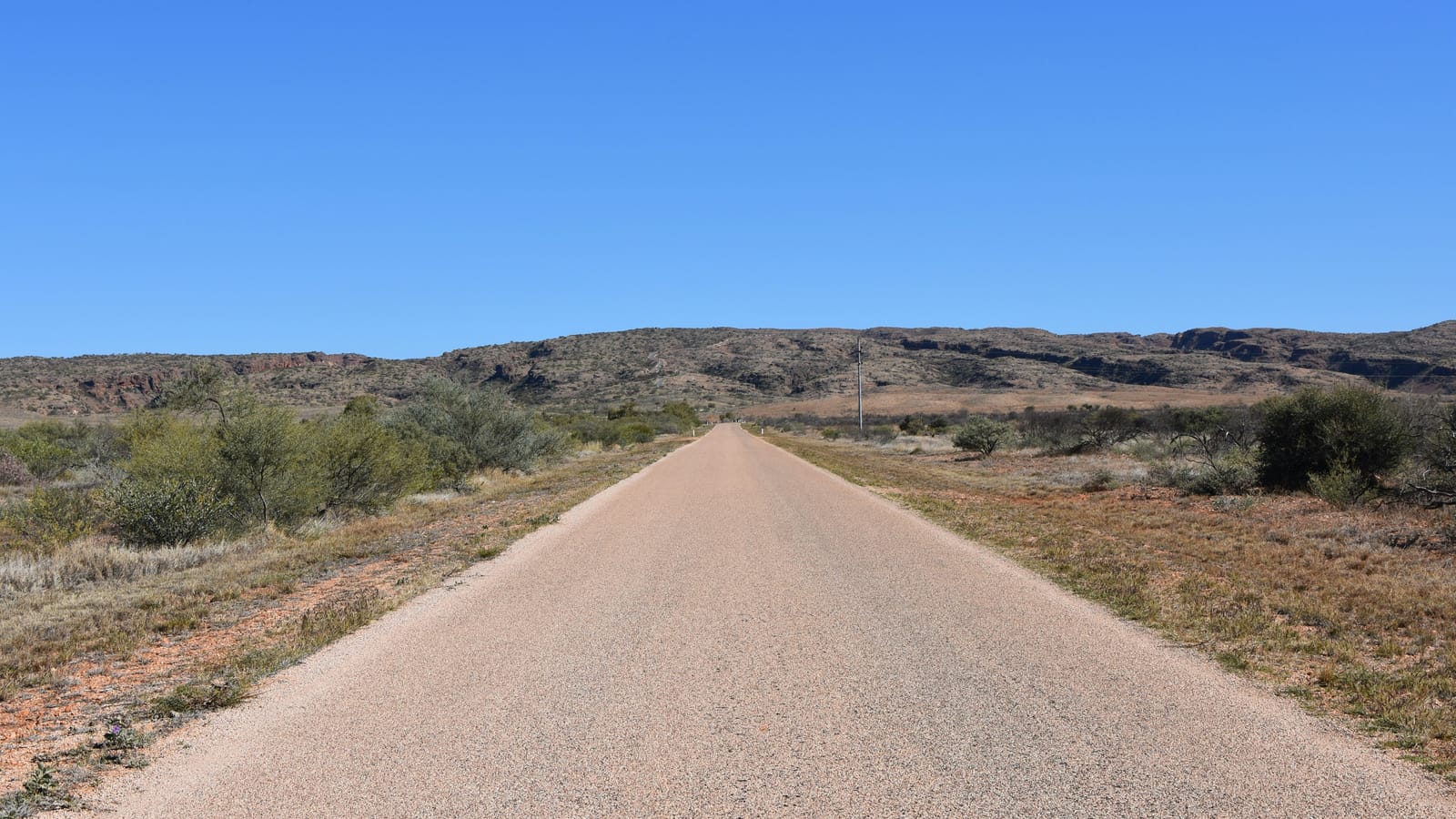
A journey management plan is a written plan for a work drive that carries enough risk to need one: the route, the stops, the check-in times, the person watching for them, and what that person does if a check-in is missed. The free Humanz journey management plan template below is an Excel workbook with no email gate.
Nobody writes one for the run to the hardware. The plan exists for the drive that is more dangerous than the job at the end of it: the 4 am departure up an unsealed road, the drive home at the end of a swing, the night run with no coverage for two hundred kilometres.
No Australian regulation defines a journey management plan or says when one is needed. It is an industry practice that two duties make necessary. Regulation 48 of the model WHS Regulations, adopted everywhere except Victoria, requires a business to manage the risks of work that is “isolated from the assistance of other persons because of location, time or the nature of the work” and to “provide a system of work that includes effective communication with the worker” (the Queensland regulation carries that wording). WorkSafe WA lists “journey management plans” and “regular check-in procedures” among the controls for that duty. The second duty is fatigue: Safe Work Australia says a business “must eliminate or minimise the risk of fatigue, so far as is reasonably practicable”, and a tired driver is that risk at its most lethal.
This is general information, not safety advice for a specific drive; the WHS regulator where the work happens is the authority.
When a drive needs a journey management plan
Put the triggers in your own procedure with numbers in them, so a supervisor can tell in ten seconds whether a drive needs a plan. The thresholds come from your risk assessment.
| Trigger | Why it needs a plan |
|---|---|
| Distance or time past a threshold the business sets (often 200 km or two hours one way) | Fatigue builds, and a breakdown strands someone far from help |
| Remote, unsealed or seasonally cut roads | Help is hours away, and a wrong turn is a search |
| Night driving, or a departure before dawn | Wildlife, poor visibility and the body clock’s low point together |
| Driving after a shift, or home at the end of a swing | The drive that starts tired is the roster’s most dangerous hour |
| DIDO commutes on a swing | The drive sits outside the roster unless the plan puts it inside |
| No mobile coverage for part of the route | A phone with no signal is not a communication system |
| Passengers or a hazardous load | More people exposed, and a load that changes what a crash becomes |
| Heavy vehicles | Work and rest hours are set by law, and the plan has to fit inside them |
SafeWork NSW lists “travelling long distances” among its examples of remote or isolated work, which puts the drive itself inside the regulation 48 duty. The end-of-swing drive home is the one crews argue about, because it is not “work” in anyone’s head, and the one the plan most needs to catch.
Download the free journey management plan template
Download the Humanz journey management plan template (Excel, .xlsx). No sign-up, no email gate. It opens in any current version of Excel and imports into Google Sheets (File, then Import), the same deal as the JSA and Take 5 templates.
What’s in it
- Journey plan sheet. One drive per copy. The driver and any passengers. The vehicle: registration, type, and whether the pre-start check was done. The route: from, to, via, road types, total distance and estimated driving time. Departure date and time and planned arrival. Planned stops, with a rest at least every two hours. The check-in schedule: times, method, and who receives them. The monitor’s name and contact. The escalation rule: what the monitor does if a check-in is missed, and after how long. Communications carried: whether phone coverage is known along the route, a satellite phone or PLB, UHF. A fatigue check before departure: hours worked today, hours since the last sleep, hours of sleep in the last 24 and 48, and a Yes or No “fit to drive”, with the instruction that No means the journey waits. Hazards specific to the trip (night driving, wildlife, unsealed roads, water crossings, heat, livestock, heavy vehicle traffic) with the control for each. An approval block for the driver and supervisor, and an arrival sign-off with the actual arrival time.
- Journey register sheet. One row per journey: driver, vehicle, route, departure, planned arrival, actual arrival, check-ins received, monitor, and any missed check-in or incident. A row whose planned arrival has passed with no actual arrival recorded turns red.
- How to use sheet. The instructions in one page, including what the template does not do.
The template records a plan; it does not judge whether a drive is safe. The fatigue numbers in it are blanks, and the limits they are measured against come from your own fatigue management plan and, for heavy vehicles, from the Heavy Vehicle National Law. The WHS regulator where the work happens is the authority on what the duty requires.
What the plan has to contain
Each block is there because a search party, a supervisor or a coroner has needed it at some point.
The people and the vehicle. The registration is what the police and the roadhouse are asked to look for, and the prestart tick confirms someone checked the tyres, the spare and the recovery gear before the plan was approved.
The route, the times and the stops. From, to and via, with road types, because “the back way” is not a route anyone can search. Driving time at a realistic average: an optimistic time produces a false overdue every trip, which teaches the monitor to ignore the real one.
The check-in schedule, the monitor and the escalation rule. Times, the method for each, and a named person with a phone and a backup, not “the office”. Then what that person does when a check-in is missed, and after how long: the clause most often left blank and the reason the document exists.
Communications carried. WorkSafe WA’s list is the one to check against: “mobile phones with reception”, “personal duress alarms”, “two-way radios” and “personal location or emergency beacons”. The phrase that matters is “with reception”. For a route with none, the plan names the satellite phone, the messenger or the PLB, and who checked its battery.
Trip-specific hazards and controls. A kangaroo curfew for night driving, livestock, water crossings after rain, heat, road trains on the highway. One control per hazard, and “drive carefully” is not a control.
Approval, then arrival. The driver signs that the plan is theirs and the fatigue check is honest; the supervisor signs that the drive is approved. A plan with no arrival time on it is an open journey until somebody proves otherwise.
Check-ins and the monitor
The check-in procedure itself, the intervals by risk band, the receiver and the timed escalation ladder, is covered in the lone worker check-in procedure. A journey plan runs that procedure on wheels: a contact at departure, at each planned stop and on arrival, with a sign-off that closes the journey.
The monitor is what makes it real. Three things about that person:
- They are rostered. A plan whose monitor is on leave or asleep is a form. The monitor is on shift for the whole journey plus the escalation window, with a backup named.
- They work from the planned arrival, not from noticing. “Ring the driver at due time plus 15 minutes, ring the destination at plus 30, notify the supervisor and start the search procedure at plus 60” can be run by someone doing something else; “escalate as appropriate” cannot.
- They record it. Every check-in received, every one missed, every escalation step and its time. That log is the answer when a client, a regulator or a coroner asks what the system of work was.
Most missed check-ins are a flat battery or a coverage gap the plan predicted. The plan’s job is to make the gap between “probably fine” and “send someone” a decision with a time on it.
Fatigue before the key turns
The pre-departure fatigue check is the clause that catches the end-of-swing run home. Our guide to FIFO, DIDO and BIBO covers why DIDO turns a roster into a fatigue plan: the swing ends with a night shift and a three-hour drive the roster cannot see unless somebody puts it there.
The thresholds that turn the four numbers into a No are not the template’s to set. They come from your own fatigue management plan, which should already carry a journey rule of the shape “past a 14-hour door-to-door day, the worker does not drive home”, and a sleep threshold for the fit-for-work check. The plan has to make the No cheap: a room, a swag or a later departure costs less than any alternative, and a crew that learns a No is punished will stop writing them.
For heavy vehicles the work and rest limits are law under the Heavy Vehicle National Law, enforced through a chain of responsibility that puts the scheduler on the hook beside the driver; the chain of responsibility guide covers the limits and the maximum consecutive hours guide how they sit beside the WHS duty. The free fatigue hours checker runs a fortnight of shifts plus drives against limits you set.
Where the paper version breaks
The template works on the morning. The failures arrive later.
The plan stays in the vehicle. The only copy of the route and the check-in times leaves with the driver, the one place a search party cannot read it.
The monitor is a name, not a shift. The plan says “Dave”, Dave is on a day off, and nobody rostering that day off knew he was holding three journeys.
The fatigue numbers are a guess. “Hours worked today”, written at 5 pm by the person about to drive, is an estimate by the person with the strongest interest in it coming out under the limit.
After an incident, the history is whatever survived. The regulator or the insurer asks what the plan said, who approved it and when the last check-in arrived. On paper the answer is the glovebox, in the vehicle that just left the road.
Running journey plans with Humanz
In Humanz the journey plan is a custom form. Your admin builds it once, from the template above or your site’s own layout, with a mandatory fatigue block and signature capture for driver and supervisor. The driver completes it on the phone before departure, offline if there is no coverage at the depot, and the submission is timestamped against the worker and the job.
The roster carries the rest. It shows who is driving where, because the drive is on the shift and not in somebody’s head, and who is on shift to monitor them, so the “Dave is on a day off” problem is visible days out. Messages tied to the job carry the check-ins: a driver’s “through Paynes Find, next stop Mount Magnet” lands with everyone currently responsible for the crew, with a retained history. And the fatigue policies know the hours the driver has already worked that day, because the timesheet and the roster are one system, so a journey starting at the end of a 13-hour shift is flagged before it is approved. The same fatigue management software holds your baseline limits and each client’s stricter overlay.
The limits matter more on this page than most. Humanz does not track vehicles or location, does not raise an alarm on its own when a check-in is missed, does not reach a satellite, and does not give safety advice. What it adds is the plan approved on record before the key turns, the roster that shows who is driving and who is watching, and fatigue numbers that came from the timesheet rather than from memory. If your journey plans live in a glovebox and a group chat, book a walkthrough and bring one.
Frequently asked questions
What is a journey management plan?
A journey management plan is a written plan for a work-related drive that carries enough risk to need one, covering the driver and vehicle, the route and stops, departure and planned arrival times, the check-in schedule, the named person monitoring the journey, and what that person does if a check-in is missed. It usually includes a fatigue check before departure and trip-specific hazards with a control for each.
When is a journey management plan required?
A journey management plan is required whenever the business’s own procedure says it is, because no Australian regulation sets a trigger. Common triggers are a drive past a distance or time threshold the business sets, remote or unsealed roads, night driving, driving after a shift or at the end of a swing, DIDO commutes, routes with no phone coverage, passengers or a hazardous load, and heavy vehicle journeys.
What happens if a driver misses a check-in?
The monitor starts the escalation rule written on the plan at the due time, not when someone notices. A typical rule rings the driver on every channel a set number of minutes past the due time, then the destination and the last known stop, then notifies the supervisor and starts the search procedure with the last known location, the vehicle registration and the time of the last contact, logging every step.
Is a journey management plan a legal requirement in Australia?
Not by name. No Australian WHS regulation requires a document called a journey management plan, but the model WHS Regulations require a system of work with effective communication for remote or isolated work, and all WHS laws require a business to eliminate or minimise the risk of fatigue so far as is reasonably practicable, so a plan is the standard way of showing those duties were met for a risky drive.
How is a journey management plan different from a lone worker check-in?
A journey management plan is a lone worker check-in procedure applied to a drive, with the extra parts a vehicle needs. Both name a monitor, set check-in times and write down an escalation rule for a missed contact; the journey plan adds the route and stops, the vehicle and its pre-start check, the communications carried for the coverage along the way, a fatigue check before departure, road hazards and an arrival sign-off, and it still applies when the vehicle has four people in it.
Related articles
Ready to see Humanz on your own roster?
Free 30-minute walkthrough, we'll use your real crews, sites and shift patterns.